New faculty Q&A — Michael Powell
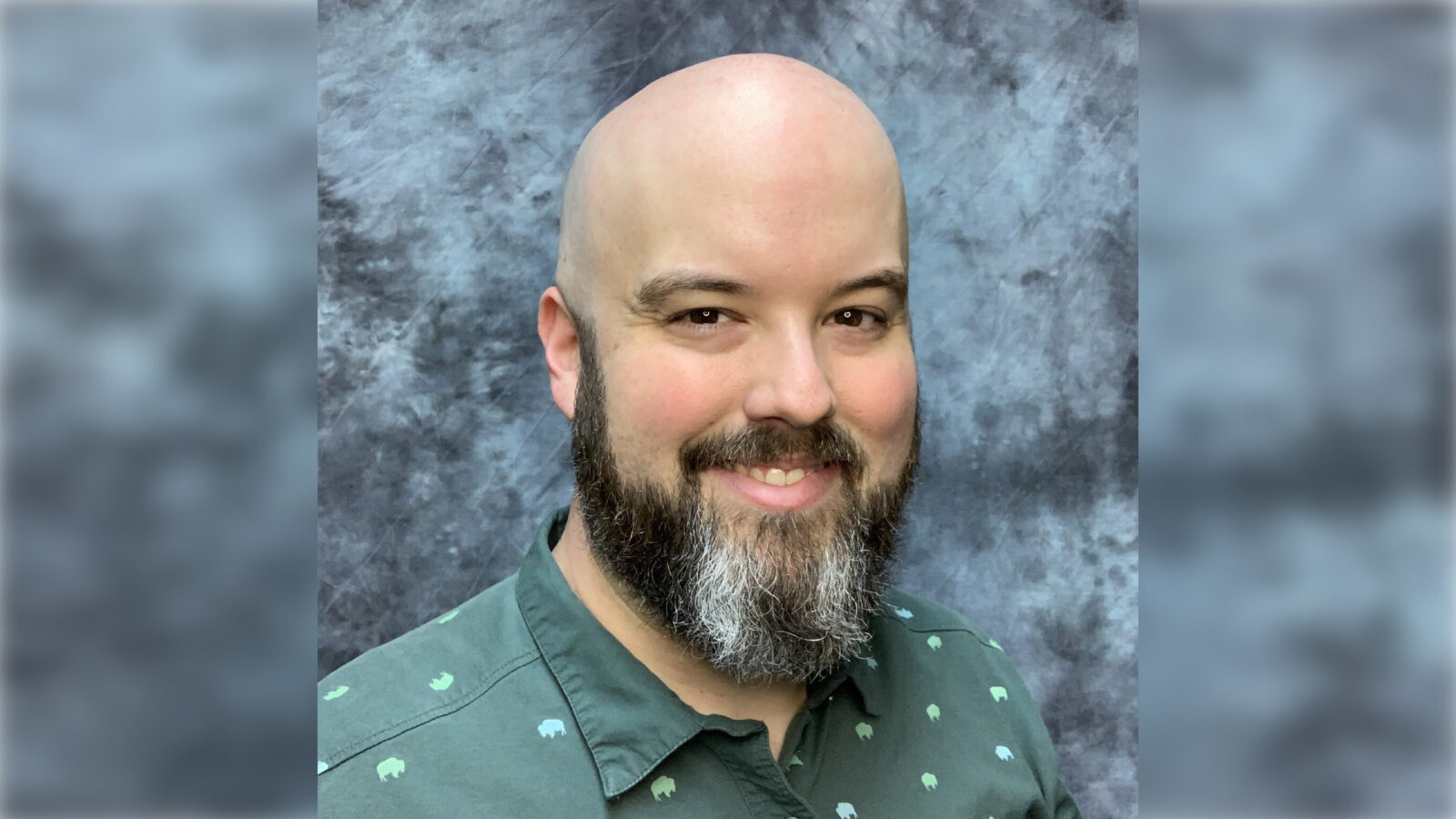
Hometown
I’m from Independence, Missouri, on the eastern side of the Kansas City metropolitan area, home of Harry S Truman.
Educational/professional background
My PhD is in Political Science, and I completed it at the Truman School of Government and Public Affairs at the University of Missouri.
Previous position
I was a PhD student at Mizzou immediately before coming to La Follette; prior to that, I was a nonprofit executive working for conservation land trusts.
What types of questions do you address in your research?
Broadly, I’m interested in the unintended consequences of public policy. Everything from the language we choose, to the institutions we build, to policy outcomes themselves can have unforeseen effects. My work explores those effects, examining why even relatively rote environmental policies can evoke resistance and resentment, how nativist language in conservation activates sentiments about immigration, and how the shape of policy structures affects people’s belief in government.
How did you get interested in this field?
Before my PhD, when I was running a conservation land trust, I experienced many of these surprising consequences firsthand. I had farmers and local elected officials berate me for participating in what they saw as excess government spending, when I was working with them to protect their land and livelihoods from development pressures, and I saw well-intentioned people from a variety of backgrounds participate in collaborative watershed governance for years and somehow still fail to improve water quality in any meaningful fashion. I wanted to know why these things were happening.
What attracted you to the La Follette School?
It was apparent from the beginning of my interview process how seriously the La Follette School takes the Wisconsin Idea and public service. The opportunity to work in a department that truly valued my ability to speak to and work with not only academics but public service practitioners was (and continues to be) tremendously appealing. Visiting the gorgeous campus and enjoying everything Madison has to offer sealed the deal.
How does your research intersect with policymaking?
Virtually everything I do in some way examines an outcome of the policymaking process. I try to illuminate unexpected negative consequences of policies so that they can be mitigated with policy revisions or new approaches, and I maintain close relationships with my contacts among practitioners to communicate my findings to the people who are able to act on them.
What is your approach to teaching?
As a teacher, my work is grounded in a basic care for my students as people, and a desire to help them become better versions of themselves in and out of the classroom. I create opportunities to engage critically with issues in a variety of ways, including traditional lecture, participatory and experiential learning exercises, and even the Socratic method of using questioning to help students work their way through the logic of our discussions on their own.
What’s something interesting about your area of expertise that you’re excited to share with students?
Being a policy scholar who is also an attorney means I have a unique perspective to offer students. I’m excited to mentor students interested in legal careers and help students who aren’t thinking about law school develop reasoning skills and knowledge to better understand the role that attorneys play in the public arena.
What are you reading/watching currently?
Ted Lasso is my all-time favorite TV series, so I’ve been watching the new episodes every week, and I just finished reading the novella This is How You Lose the Time War; before that, it was a Discworld novel by Terry Pratchett.
Hobbies/other interests
I have too many hobbies to list, but the ones that occupy most of my leisure time are music (both listening and playing) and recreating outdoors. I’m very excited to dig into Madison’s many opportunities in both areas.