The Data Center Challenge underscores community apprehension, policy opportunities
A few years ago, most Wisconsinites had never heard of data centers. Now it has rapidly become one of the top issues in the race for governor, and a hot-button topic in communities across the state.
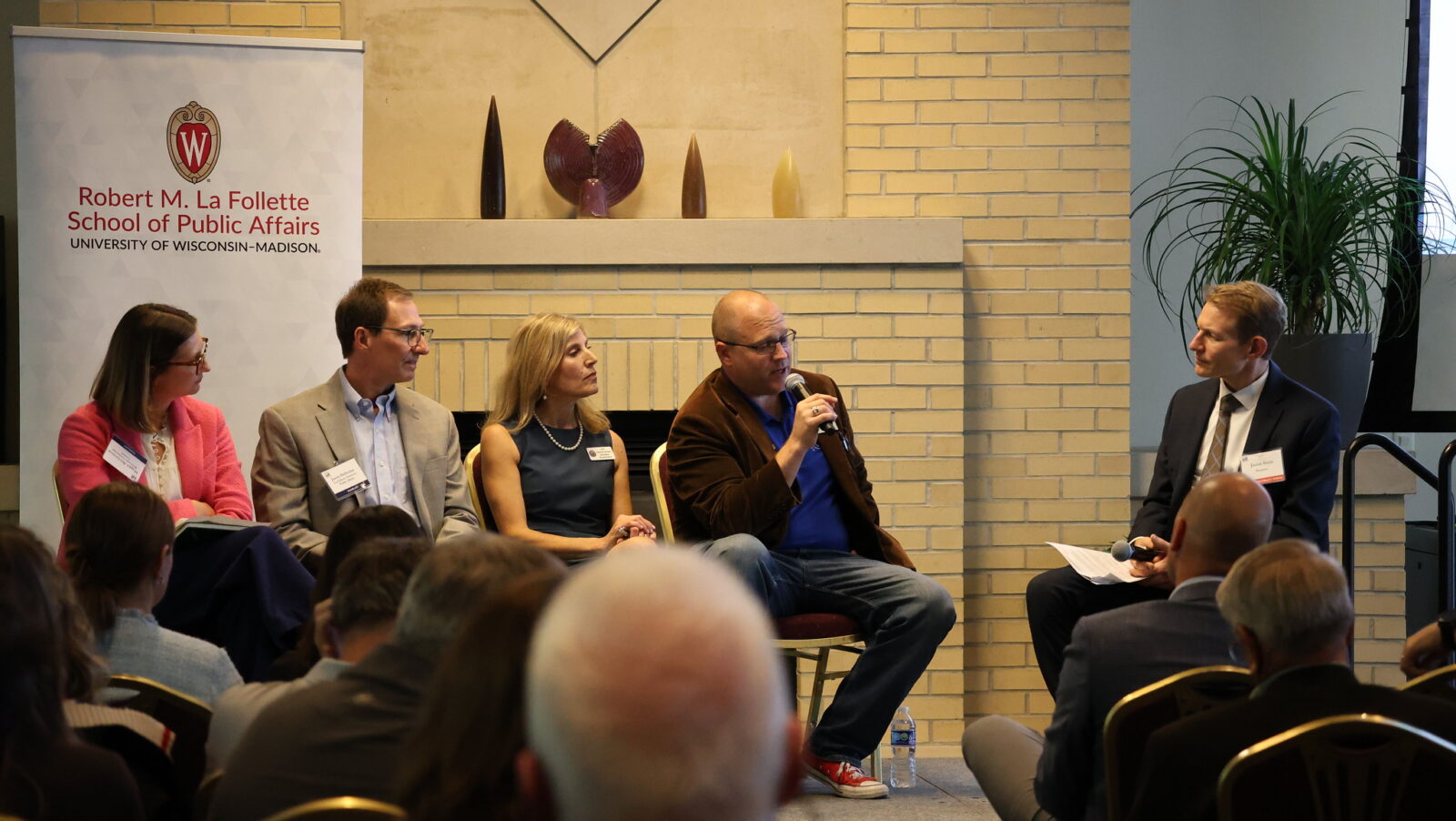
On September 16, the La Follette School hosted a joint event with the Wisconsin Policy Forum titled The Data Center Challenge: Weighing Community Concerns with Growth Opportunities. The goal of this presentation and panel discussion was to foster conversation about data center expansion and regulation in Wisconsin, giving the public a chance to hear from experienced voices on the subject.
Tyler Byrnes from the Wisconsin Policy Forum briefed the audience with a presentation on recent research on data centers. His detailed presentation covered rising utility rates, how hyperscale data centers change energy consumption, and who is projected to pay for new infrastructure. The report also explored current tax exemptions for data centers and the evolving public opinion of the industry.
Jason Stein, president of the Wisconsin Policy Forum, moderated the panel that followed. Panelists included Maggie Brickerman, the president of the Wisconsin Technology Council, La Follette Associate Professor Jason Delborne, Sen. Jodi Habush Sinykin (D-Whitefish Bay), and Rep. Shae Sortwell, (R-Two Rivers).
The panelists covered a wide range of questions and topics. However, one thread ran through many of the answers: open conversation can lead to compromise and progress.
“My number one piece of advice would be to prioritize listening. Listening in a way that helps you understand the range of values and priorities that are among community members and stakeholders,” Delborne said during the discussion.
Data centers spur numerous concerns for community members. These range from rising utility costs to water usage, and even to extreme noise levels impacting local wildlife. Brickerman reminded the audience that these uncertainties can be a place to find common ground.
“I think there is a lot that people agree on and figuring out if we can get past the ‘if we do something good, we all win’ kind of challenges in our partisan political system, I think that’s the biggest barrier. At the Tech Council we hope to be a partner in facilitating those conversations,” Brickerman said.
These responses do not mean that passing state-wide data center regulation will be a breeze. Two state legislators shared their experiences with policymaking in this sector, fighting what can feel like an uphill battle.
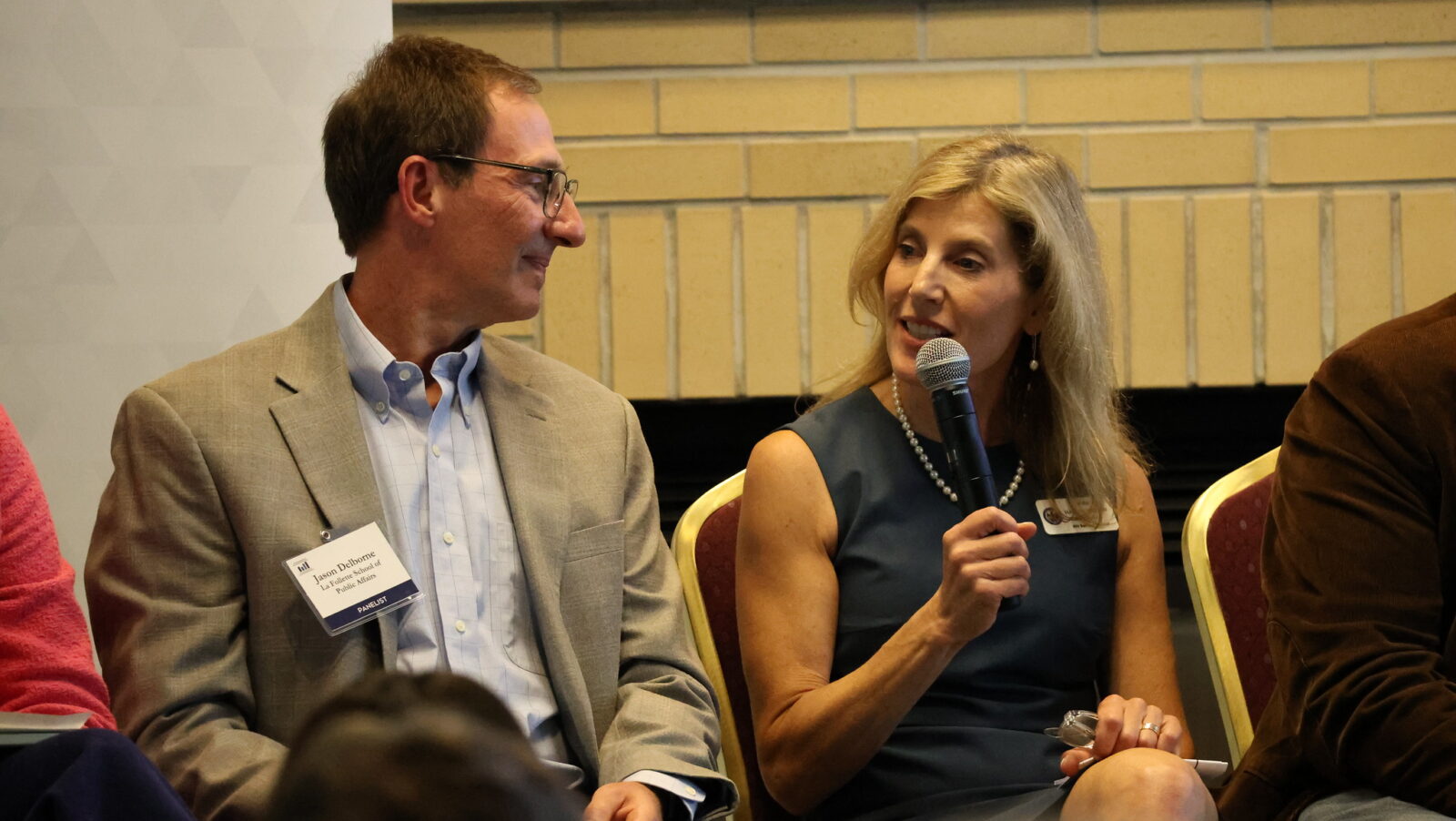
Habush Sinykin represents a district spanning from Whitefish Bay up to Port Washington. Notably, Port Washington is where the company Vantage Data Centers broke ground on a $15 billion hyperscale data center in December 2025. This center will service artificial intelligence giants Oracle and OpenAI.
“Wisconsin has an absolute regulatory void on data centers, so we have work to do in that respect,” Habush Sinykin explained. Last session, she championed Senate Bill 729. The bill detailed building requirements for data centers, water and electricity rates, and more.
“We had an excellent and robust public hearing, and excellent state support for the bill,” Habush Sinykin said. To her disappointment, the bill was denied a floor vote and ultimately died at the end of the session. “The good news is, I have been hard at work on the Data Center Accountability Bill, Act 2.”
Sortwell has also spent time advocating for data center regulation on the other side of the aisle. He shared the panelists’ positive outlook on the challenge and said, “I am hopeful that coming into next session, we will be able to find some consensus.” The event began and ended with time for networking and conversation between the panelists and the audience. The room at the Pyle Center was packed, signifying the growing community interest in data centers, along with an urgency for policymakers to meet the moment. The night represented multiple pillars of the La Follette School: civil dialogue, finding common ground, and tackling policy challenges with evidence.

– Story by Ella Mitchell