Teodoro publishes study on the effectiveness of surveillance as a water conservation method
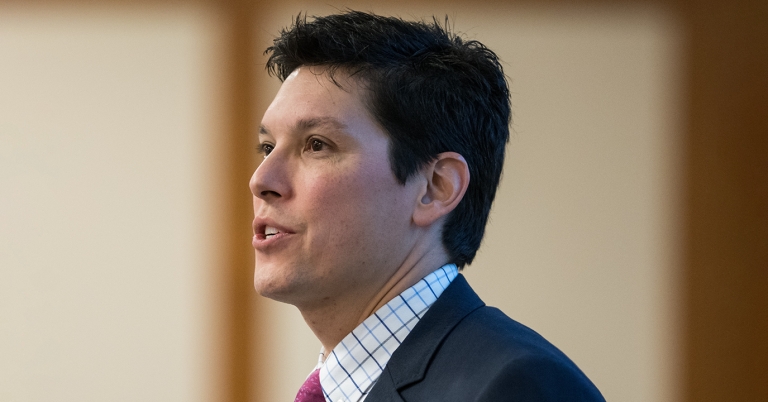
Does asking people to spy on their neighbors save water? According to a new study led by La Follette School Associate Professor Manny Teodoro, the answer is yes—although the full story is complicated in an interesting way.
Public Water Waste Reporting: Contextual Correlates and Conservation Outcomes, published in Water Resources Research, examines the effectiveness of California’s participatory surveillance programs, such as Save our Water. These programs invite people to report on other people who waste water by watering lawns on prohibited days, washing down driveways and sidewalks, causing excessive runoff through outdoor irrigation, and washing a car with a hose without a shot-off nozzle. During the 2014–2017 drought, California state and local governments established hotlines and websites for anonymous water waste reporting.
“Californians responded to the call for waste reports enthusiastically,” according to Teodoro, “Utilities in the state recorded more than 485,000 water waste complaints over the course of the last emergency. Reporting rates were highest where the drought was most severe and watering restrictions were strictest. But social and institutional factors also correlated strongly with water waste complaints, which underscores that water waste reporting is a social phenomenon.” Specifically:
- Municipal and special district utilities logged more reports than investor-owned utilities.
- Frequency of complaints increased as communities’ level of education increased.
- Complaints were highest in communities with high levels of partisan competition.