Teodoro welcomes leading environmental policy scholars to Madison

50 leading environmental social scientists from around the world converged on Madison this summer for the 2026 Environmental Politics & Governance Conference hosted by La Follette’s Manny Teodoro.
The conference, which took place June 29 to July 1 in the Memorial Union, brought together an interdisciplinary group of researchers from the Environmental Politics and Governance (EPG) network who seek to understand how environmental systems are governed, and how they might be governed more effectively, equitably, and democratically.
The annual conference alternates between North America and Europe. This was the first time the conference took place in Madison. The tightknit community uses the conference to advance rigorous and consequential research on the world’s environmental challenges.
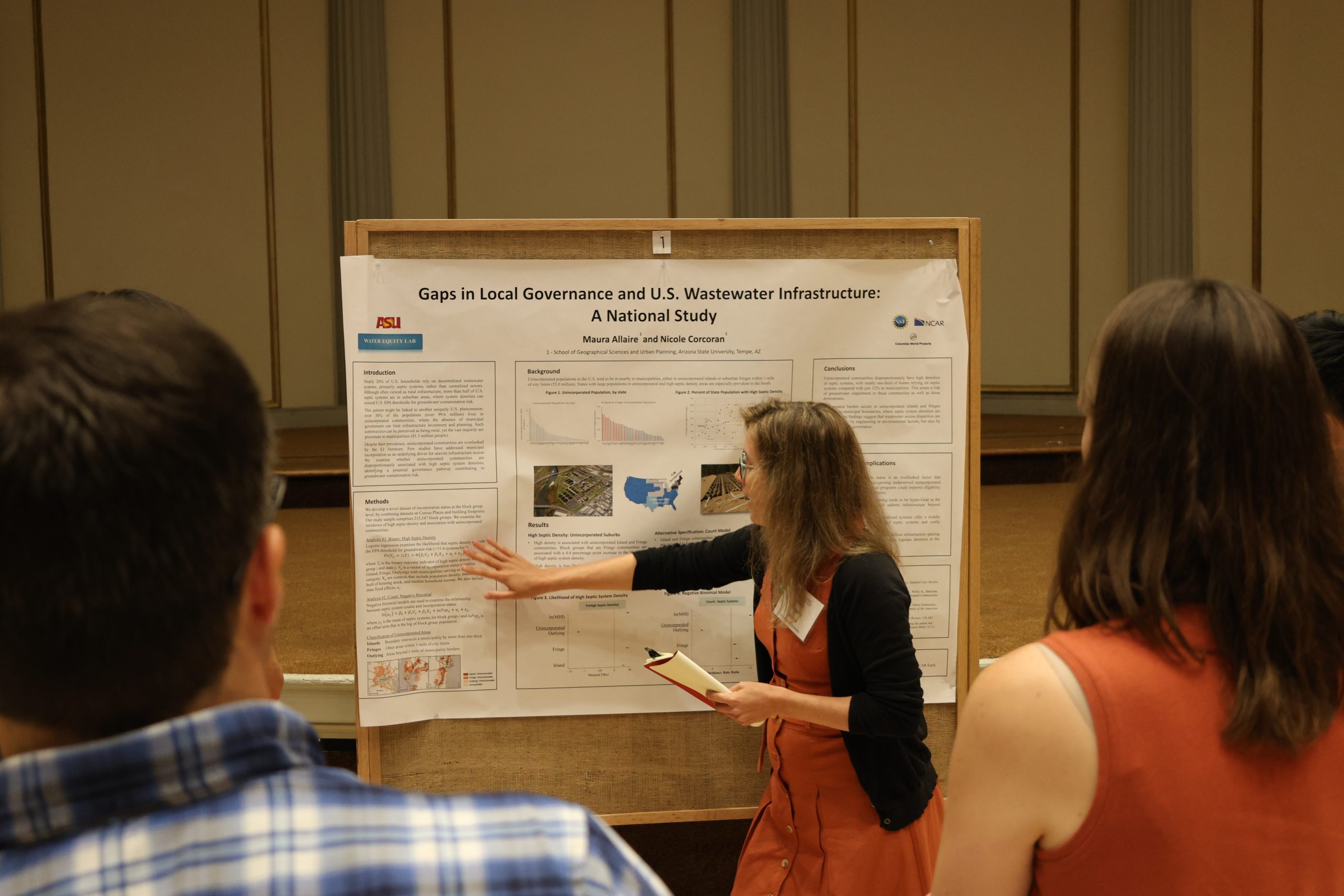
“Each year, we come together to workshop research in progress, to challenge and support one another, and to reflect on the evolving frontiers of our field,” Teodoro said. “I was thrilled to see conversations begin here in Madison knowing that many will grow into collaborations, new research agendas, and enduring friendships.”
Participants traveled from as far as Sweden, Switzerland and Hong Kong. Conference topics ranged from emerging environmental challenges related to new technologies such as data centers to the politics of environmental disasters and displacement.
Fittingly, the group experienced its own small-scale environmental disaster and displacement just before the conference began. The conference was originally scheduled to take place in the Pyle Center. However, due to a broken chilled water line that eliminated air conditioning for much of the UW–Madison campus, the conference was moved at the last minute to the Great Hall in Memorial Union. The conference also happened during one of Madison’s several intense heat waves this summer.
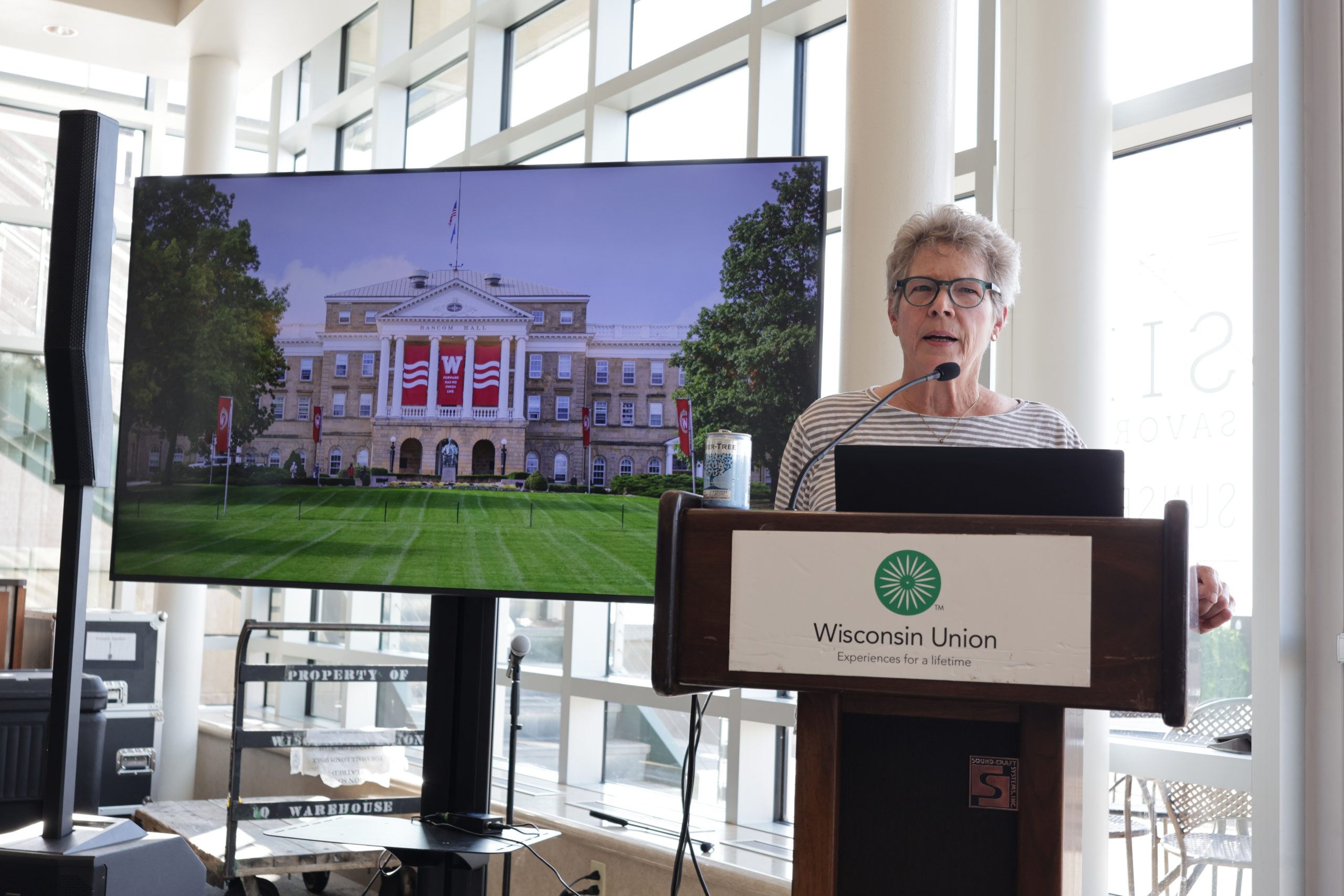
Teodoro addressed the irony in his opening remarks in the Memorial Union’s Sunset Lounge during the welcome reception on the evening of June 29. “What better way to highlight the urgency of solving society’s most pressing environmental governance problems than by holding the EPG Conference in the midst of a massive water infrastructure failure and an uncommon heat wave,” Teodoro joked.
After Teodoro’s introductory remarks, he handed the lectern over to Tia Nelson to officially kick off the conference. Nelson is the daughter of Gaylord Nelson, the former Wisconsin governor who created Earth Day and helped launch the modern era of environmental activism. Tia Nelson talked about her father’s legacy, the importance of continuing the work that he and others started decades ago, and her own work in environmental advocacy.
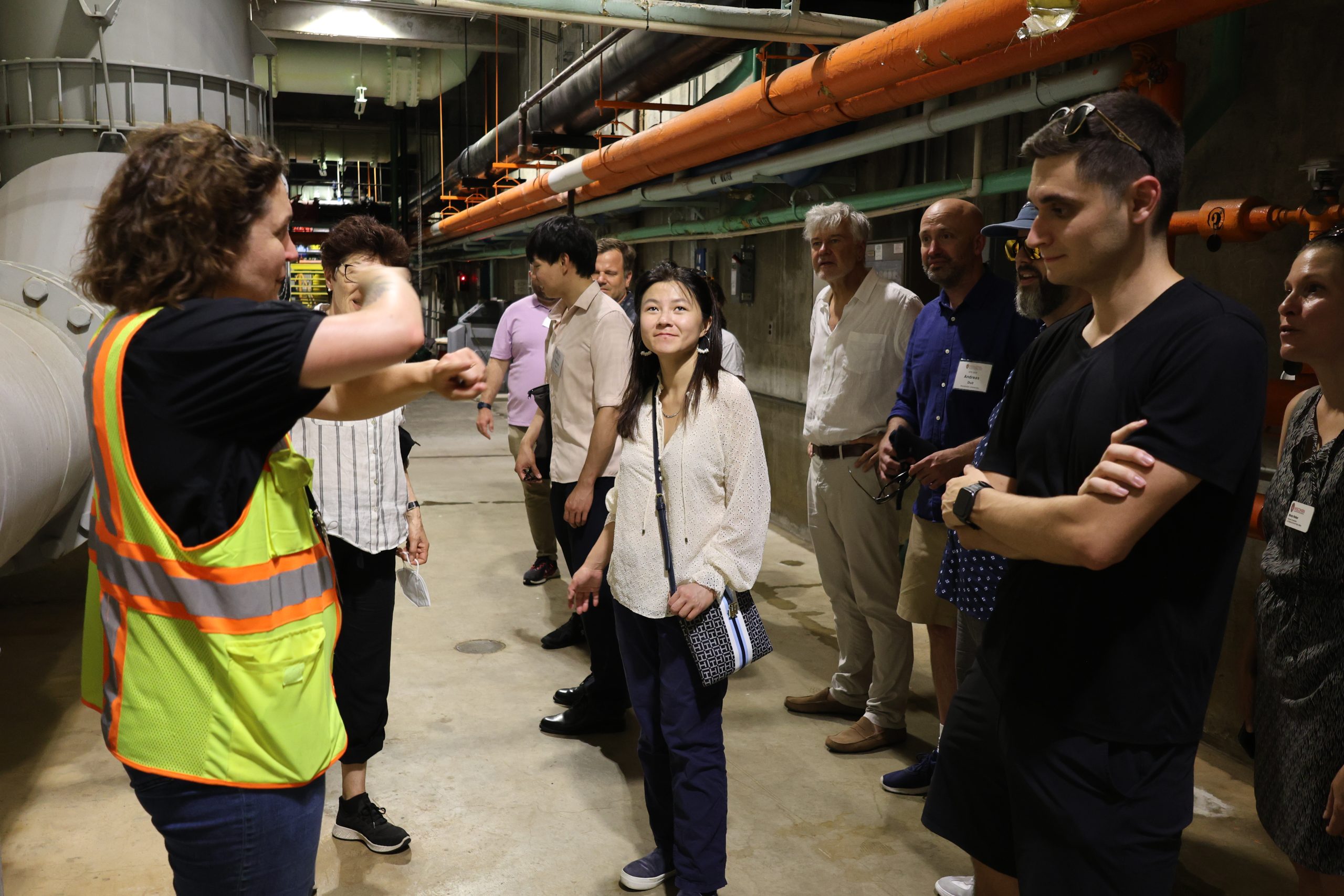
A hallmark of the 2026 EPG Conference was a “field trip” to see environmental policy and governance in action. On day 2 of the conference, the group boarded a yellow school bus (to the delight of the international scholars who had only seen them in movies) to visit the Madison Metropolitan Sewerage District (MMSD). The visit included a guided tour of the wastewater facilities and a talk by MMSD leadership on the history, governance, and operations of the district.
The conference concluded with dinner on July 1. After dinner, Teodoro conducted an informal Q&A with Dave Ross, former leader of the EPA’s Office of Water and executive vice president with Veolia North America, and Peter Burress, government affairs manager for Wisconsin Conservation Voters. The three discussed how environmental policy researchers can focus on questions that are relevant to policymakers and connect their work to key decision-makers outside academia.
“The talk with Dave and Peter was a great way to end the 2026 EPG Conference, because to a person, we all care deeply about our research helping lead to better environmental policy,” Teodoro said.
At the end of the Q&A, next year’s organizers officially announced that the 2027 EPG Conference would be held in London. While London is a city in a class of its own, it will be hard to match the backdrop Madison has provided the group as a constant reminder of the urgency of their work.
“The 2026 EPG Conference helped remind us of the significant downstream consequences of policy decisions. Not only by way of research presentations, but by heat wave, infrastructure failure, Tia’s wonderful talk, and the eye-opening trip to MMSD,” Teodoro said.