New faculty Q&A — Sarah Strochak
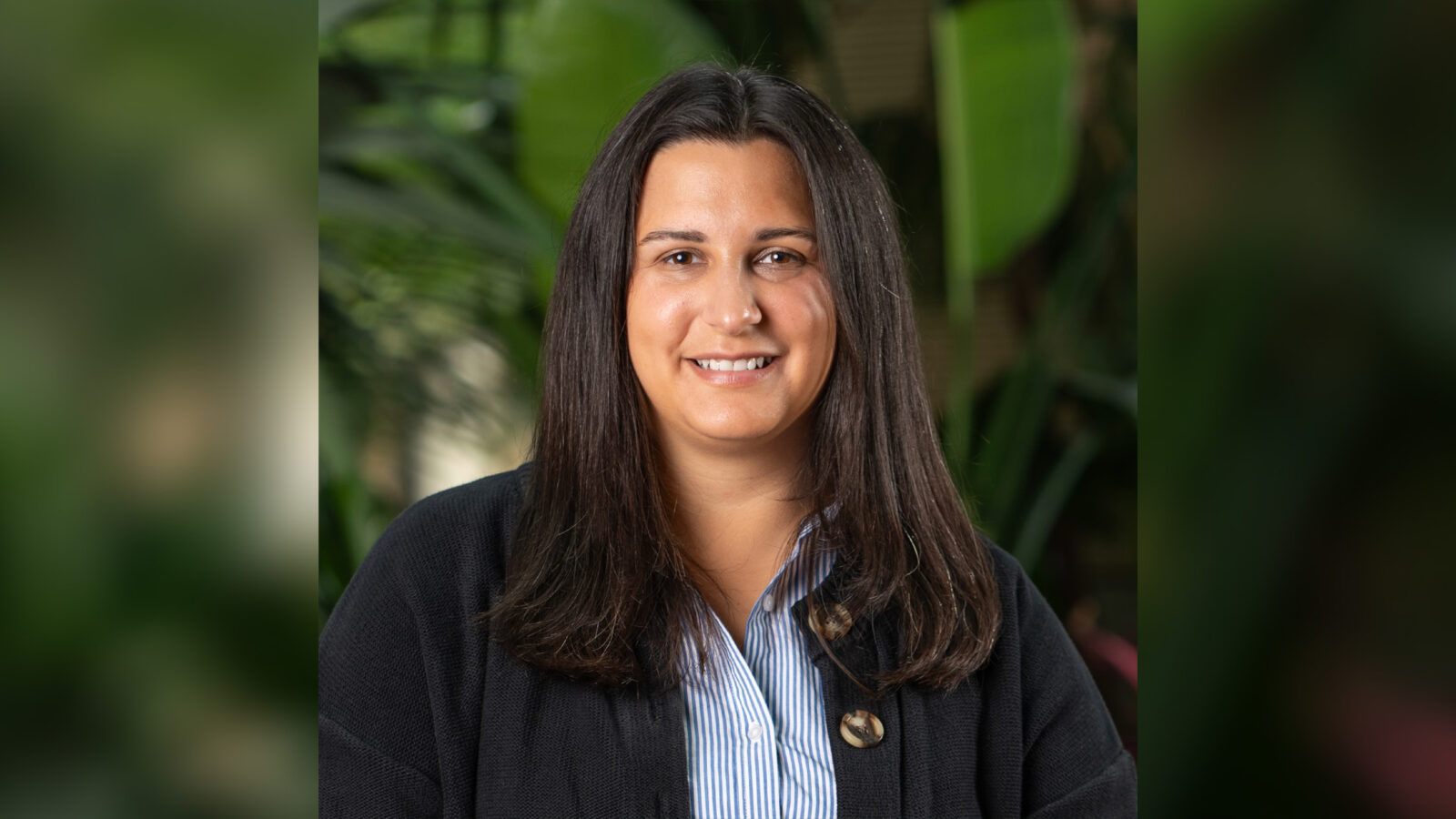
Hometown
I’m from Bethesda, MD.
Educational/professional background
My PhD is in Public Policy from New York University.
Previous position
Before coming to La Follette, I was a postdoctoral researcher at the Eviction Lab at Princeton University and a doctoral fellow at the NYU Furman Center.
What types of questions do you address in your research?
My research studies the design and administration of housing policies. In my current work, I use descriptive and quasi-experimental methods, combined with large administrative datasets, to study how different programmatic or implementation features can affect who gets access to housing assistance, and whether or not programs are able to meet their goals.
How did you get interested in this field?
I’ve been interested in housing since I took an urban studies class in my first semester of undergrad; I then got to see policy research in action at my first research job which involved manually coding digital scans of handwritten regional housing plans. This got me interested in bringing data-driven, careful evidence to the ongoing debates on housing policy, which I got to continue in my job as a researcher at the Urban Institute. As I began my dissertation work on the Housing Choice Voucher program, learning the ins and outs of one of our most complicated federal housing programs helped me to refine my research goals, and got me motivated to try to connect the gap between the intended goals of a policy, and the experience of those that it is designed to help.
What attracted you to the La Follette School?
I was drawn to the La Follette School because of the strong connection to public service, both in teaching and in research. In the courses that we teach and the research that our faculty conduct, there is an emphasis on bringing a rigorous approach to solving complex policy problems, for the benefit of our state and the broader public.
How does your research intersect with policymaking?
In my work, I study the effects of both federal policies and programs, as well as implementation decisions made at the local level. My research is intended to inform both policymakers and practitioners on what is working and what isn’t. This relationship is also a two-way street; I often present my work to federal and local policymakers, and in turn use their feedback and expertise to validate my findings and shape new research questions.
What is your approach to teaching?
My goal is always for students to be able to see and understand the real-world policy implications of the methods we learn. I hope to help give our students the skills and background that they need to become informed consumers of research and data, and to encourage them to think critically about real policy programs.
What’s something interesting about your area of expertise that you’re excited to share with students?
This fall, I’m excited to teach my PA818 students about the joy (and pain) of cleaning and using large administrative datasets for policy research!
What are you reading/watching currently?
I just read Crossing to Safety by Wallace Stegner, in honor of being a new professor moving to Madison.
Hobbies/other interests
I like biking, cooking, and going to concerts!